Our Family History of Family History and Temple Work
Years ago while attending Rootstech on a busy Saturday the large crowds made getting around a challenge. At lunchtime, I came across an elderly man in a wheelchair struggling to make his way and clearly he was in distress.
I stopped to help him and in frustration he said to me, “Why are all these kids here?”
I jokingly told him that they were at Rootstech for the same reason he was. He gave me a look and said, “I’ve been doing this for 40 years and I don’t know why I keep doing it. How would they know?”
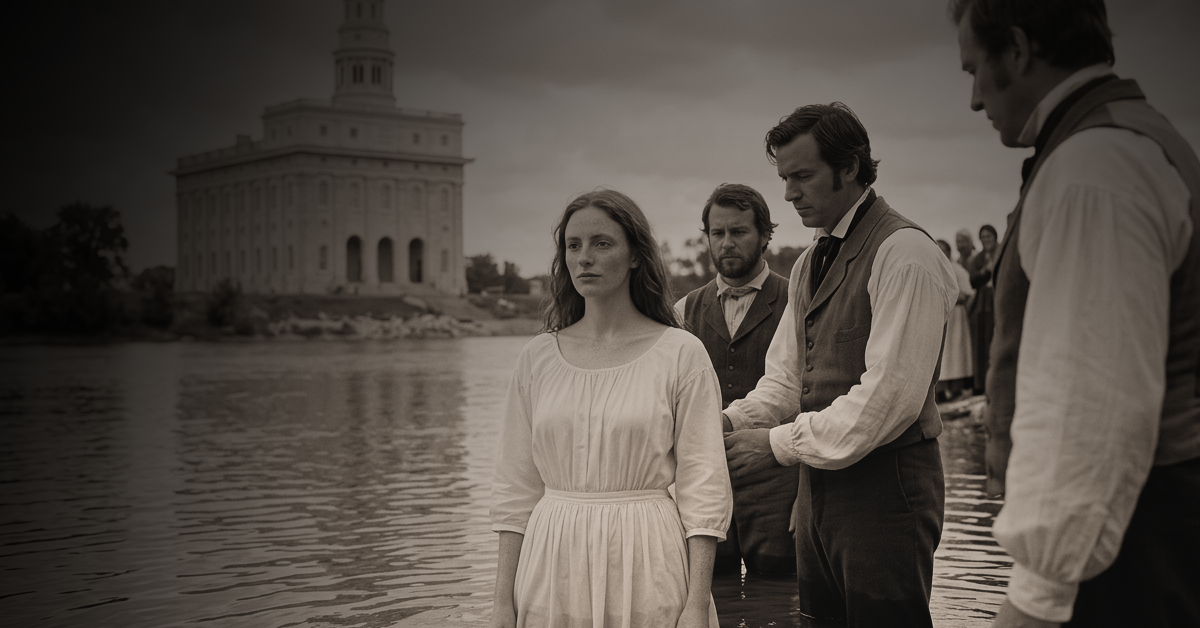
I asked if he was familiar with the story of Jesus getting baptized by John in the New Testament. He said he was and that he wasn’t interested in my religion.
I told him I was just trying to explain why all those kids were crowding Rootstech. “This is has to do with Jesus?” he asked.
“Yes,” I explained. “Jesus said he was baptized to fulfill all righteousness. He said a man must be born of the water and the spirit in order to enter into the kingdom of heaven.” The man nodded in recognition of all this. “We believe that many of our ancestors lived and had no knowledge of Jesus. When they die they receive that knowledge in the Spirit World. We seek after our dead so that we can take their names and be baptized for them in our temples. We call this the Spirit of Elijah”.
The man just stared at me for several long seconds, his eyes starting to fill with tears. “That’s the most beautiful thing I’ve ever heard.” he admitted. “Do our ancestors you do that?”
“Of course they know,” I said. “They are the ones encouraging us to seek them out and find out who they are. I would bet money your ancestors are the ones who have been influencing you to do this for the past 40 years.”
In the previous two posts about the work our ancestors did in the St. George Temple, and previous to that, the family quest of Joseph and Wilford, we have tried to outline how, when and why our 19th century family members did temple and family history work. They too had the Spirit of Elijah.
“…And now, my dearly beloved brethren and sisters, let me assure you that these are principles in relation to the dead and the living that cannot be lightly passed over, as pertaining to our salvation. For their salvation is necessary and essential to our salvation, as Paul says concerning the fathers—that they without us cannot be made perfect—neither can we without our dead be made perfect.” — Doctrine and Covenants 128:15
This great work began in Kirtland, Ohio, in 1836. The Church, in their poverty, were commanded to build a temple not fully realizing what the temple was for or what would happen there.
Yes, we had family there.
Elam Cheney in the Kirtland Temple
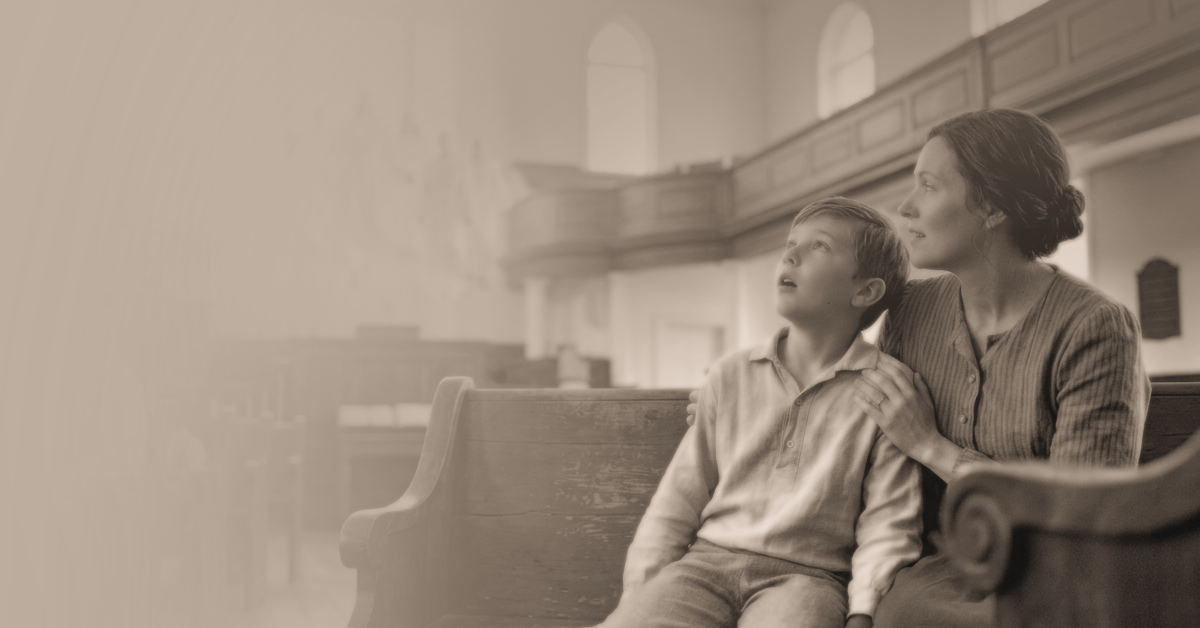
My 4th great grandfather, Elam Cheney, was born in 1825.
He would become the father of Olive Mehitable Cheney, my 3rd great grandmother. She was the mother Mary Ann Humble who married Albert Smith Jr. They were grandparents to Mary Ann Smith Westover (one of our first Westover family historians).
Elam’s parents joined the Church in 1834, when he was almost ten years old. They moved to Kirtland, Ohio and participated in the building of the first temple of the Restored Church.
The Lord promised a “day of Pentecost” for the faithful Church members who had sacrificed so much in their poverty to build the temple.
Upon the building’s dedication many people who attended the event saw visions and heavenly manifestations.
This included the 11-year-old Elam Cheney:
The Prophet spoke in the meeting and Elam noticed that while he was speaking he looked up as if he was looking at someone, so Elam looked in that direction and saw six personages…three on each side of the room.
Their appearance attracted his attention as they were dressed so differently to what he was accustomed to seeing. They had white moccasins on their feet and white caps on their heads. He asked his mother who they were and she said she could see no one. He told her they were dressed in white. He always remembered how they looked and how they were dressed. Later on when he went to the temple to get his endowments he discovered that the clothing those six personages wore, were like the temple clothes.
The point of sharing this story is that temple worship was new to Latter-day Saints in 1836. They were just getting started in coming to understand what a temple is. Temple work needed to be learned “line upon line” and “grace to grace”, too.
Certainly, for an 11-year-old child, there was zero understanding of what he was seeing or why. His history recounts in later years that he grew to understand what he saw in the Kirtland Temple on that day of Pentecost. It had to do with “temple work”.
It is important to understand as well that the Kirtland temple was not the same as temples that would be built in later years.
Kirtland was a preparatory temple, intended to introduce to Latter-day Saints that it was a place of revelation, “a house of prayer, a house of fasting, a house of faith, a house of learning, a house of glory, a house of order, a house of God”.
The Kirtland Temple would be the place where Elijah would appear to give the “keys to the gathering of Israel” through the Holy Priesthood to Church leadership.
With these priesthood powers what was “sealed on earth would be sealed in heaven”.