The Family Quest of Joseph and Wilford
If our pioneer ancestors built the temple and went through them why do I have to do any family history for them?
This is a question that has hounded me for nearly 20 years.
It is being asked by others, too. At a recent family event a cousin asked me why I was bothering to tell the further stories of Electa, Edwin, Charles, Albert, Gardner and others.
There is one central reason: the prophesy of Malachi.
“…And he shall turn the heart of the fathers to the children, and the heart of the children to their fathers…” – Malachi 4:5-6
Frankly, we’re supposed to be interested in each other. And it is more than mere genealogical work of names, dates and places. That is hardly the stuff of hearts.
When I think of turning hearts I think of my feelings for Electa Beal Westover, the great matriarch of the LDS Westover family, the first with our name to join the Church of Jesus Christ of Latter-day Saints.
My heart turned to her just learning of the story of her lost love, Alexander, who died in 1834. With his passing her world fell apart. When she found the gospel of Jesus Christ (1844) she found resolution to that lost love. How could my heart not turn to her?
That’s the easy part to explain.
But how does her heart turn to me? Or, Alexander’s heart, to me? What have they got to do with me? These questions and others are what drives me to continue to pursue their stories, even though their “work” is done.
For many years I have been asking questions about the opening of the St. George Temple and who was there to complete the ordinance work for the Westover family.
We are getting closer to answers.
I went to the Family History Library in Salt Lake to look through what they call “Special Collections”, specifically the ordinance work done before and after the dedication of the St. George Temple in 1877.
Our recent explorations of the Arizona branch of the Westover family have spurred those questions. The history of settlement and resettlement of various branches of the family have only made those questions seem more urgent.
Too often an investigation hinges on What did they know? And when did they know it? When it comes to our pioneer ancestors that is indeed an important thing to understand.
But it goes even deeper than that.
Because they were new in their gospel understanding, and much of what Church leadership was revealing to the rank-and-file members such as the Westover’s was totally new, the questions are really What did they understand? And when did they understand it?
In recent years Church leadership has emphasized that the Restoration of the gospel of Jesus Christ is ongoing – meaning it is a progressive thing. We continue to learn more and more through revelation. Nowhere is revelation more prevalent in our lives than in the work of family history and temple work.
Two principles in particular showcase this fact, and both of them have to do with the temple.
First, is plural marriage – a hot button topic in the 19th century and a seemingly endless debate topic now.
I’m fed up with that one.
Honestly the historians past and present have simply lied to us about polygamy. They have told us everything from it is not Biblical or Christian to those who practiced it abused their wives and may have been pedophiles.
I count now dozens instances in our lines of plural marriage and not one of them supports the salacious things historians, politicians and anti-Mormons would have us believe.
In every instance it has proven on our lines to have been a tremendous blessing and a righteous endeavor. There is not a single instance recorded of abuse, turmoil or even drama in households with multiple wives in the family.
In fact, in every instance the practice both grew and sanctified the families and the individuals who practiced it. It wasn’t the women who were abused by the practice. It was the women who made it work.
The 2nd principle that showcases ongoing revelation and restoration is vicarious ordinance work for those who have passed on, such as baptisms for the dead.
In either case, plural marriage or baptism for the dead, there is one thing we never talk about:
It’s personal. They were not engaged in plural marriage or baptism for the dead to please a leader or out of fervor for radical ideas. These were real people living real lives trying to be like Jesus. That meant lives spent in the works of love, even for those who had died.
We need to talk more about this.
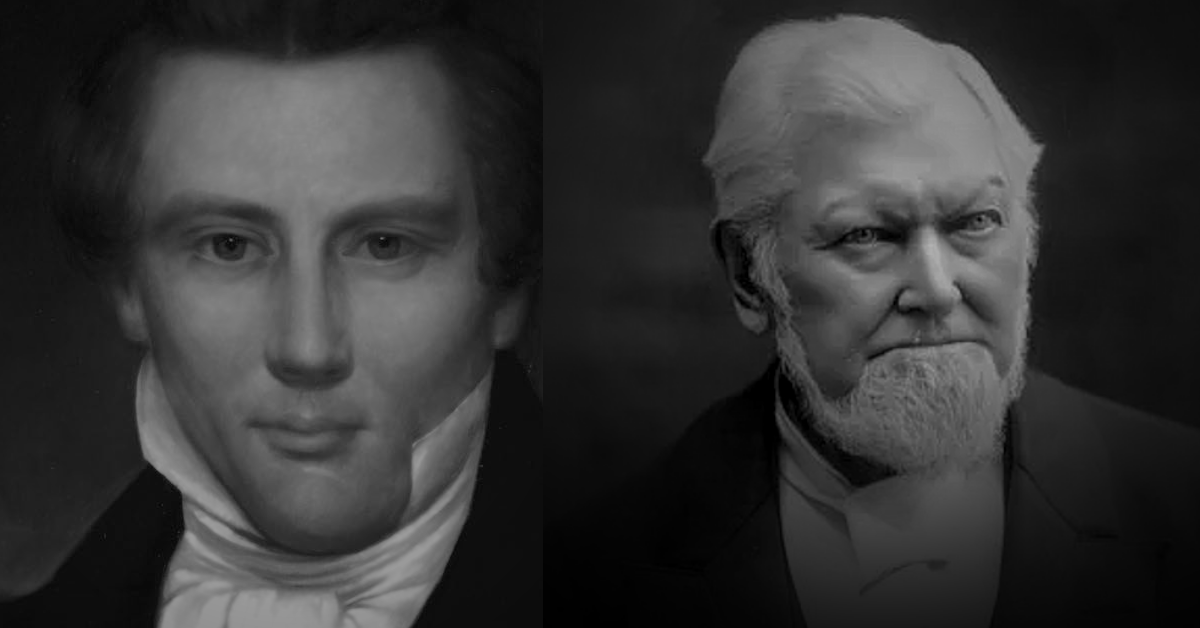
And that’s why before I go any further in disclosing our family history of family history and temple work I need to talk about Joseph Smith and Wilford Woodruff.
No – not Joseph the Prophet and Wilford the Apostle.
Joseph the man. Wilford the man.
You see, before it became about the Church – and the world – it was intensely personal for them both.
~ Joseph Smith, the Prophet; Joseph the Man ~
I love Joseph Smith.
I can debate the life and merits of Joseph Smith just about anywhere. I have done so for decades online. But I’m not doing it here. As far as I’m concerned, Joseph is a prophet and the greatest mind in history outside of Jesus Christ.
I have a spiritual witness of this backed by decades of study. I don’t care if anyone sees him differently.
The context of our conversation here is our family history. Very clearly many of our family felt the same way about Joseph as I do. For the purposes of our discussions here, this is all that is important.
Our family who followed Joseph, joined the Church, and built the temples were not brainwashed or crazy. They were faithful. Their beliefs were sincere.
That being said, I believe there is a real problem some people have with the human side of Joseph Smith. But to me, that’s exactly why I love him.
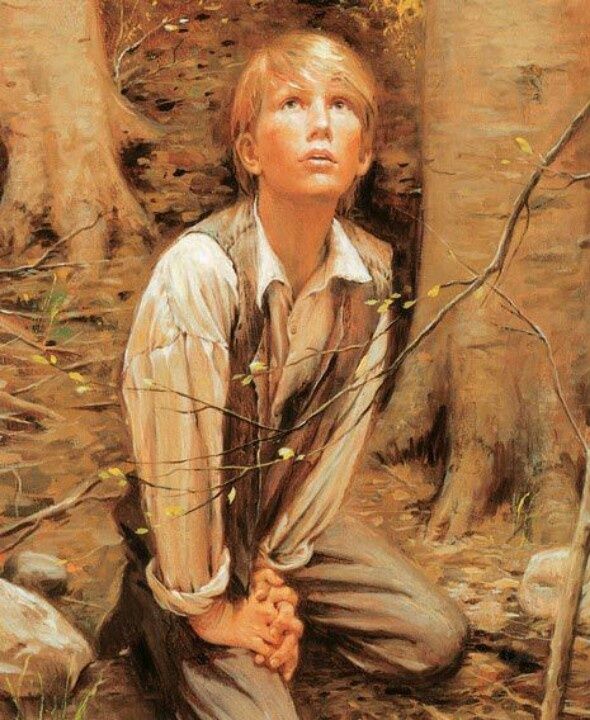 In 1820, at just the age of 14, Joseph had what is called The First Vision.
His was a personal quest. Simple. Innocent. Faithful. He asked God which of all churches was right and which he should join.
God’s answer stunned Joseph as much as it stuns people today.
Three years later, at the age of 17, Joseph was visited by an angel named Moroni, who three times quoted the verse from Malachi that I shared above.
You cannot tell me that Joseph understood what Malachi meant to turn the “…heart of the fathers to the children, and the heart of the children to their fathers…” in 1823.
I ask well-read Christians today to explain that statement from Malachi and most just have no idea. Joseph did not have any idea then either. Moroni was planting seeds within Joseph.
Like everyone else, even the Savior, Joseph had to learn line upon line.
Joseph would go on to obtain the plates, to translate them by the power of God, and then to publish the great Book of Mormon. He would thereafter receive the Aaronic and Melchizedek priesthoods and then would organize the Church in 1830.
Along the way he would meet in vision or by visitation John the Baptist, Peter, James and John, Elijah, Elias, Abraham, Isaac, Jacob, Joseph (of Egypt), Adam, Enoch, and Moses.
Starting in 1830 Joseph began to receive revelations about temples, temple work and necessary ordinances each person would need to receive.
From the design of temples, to the sacred nature of ordinances including the “New and Everlasting Covenant”, to the necessity of priesthood power for such ordinances Joseph began to establish and teach these principles to the leadership of the Church, the missionary force charged with taking it to “the Jews and the Gentiles”, and to the regular members of the Church who would help build those temples.
It was new to all of them. Including Joseph. That’s why it is important to understand the personal nature of all this to Joseph the man.
Despite all his heavenly visitations, despite all the teaching he received by the Lord himself, Joseph had very personal concerns.
In 1823, not long after having learned of “the ancient record” by Moroni, the Smith family lost Joseph’s older brother, Alvin. Alvin was supportive of Joseph and Joseph loved him. Alvin was just 25 years old when he died.
In 1836, before the dedication of the first temple of this dispensation in Kirtland Ohio, Joseph was given a vision of the Celestial Kingdom (D&C 137).
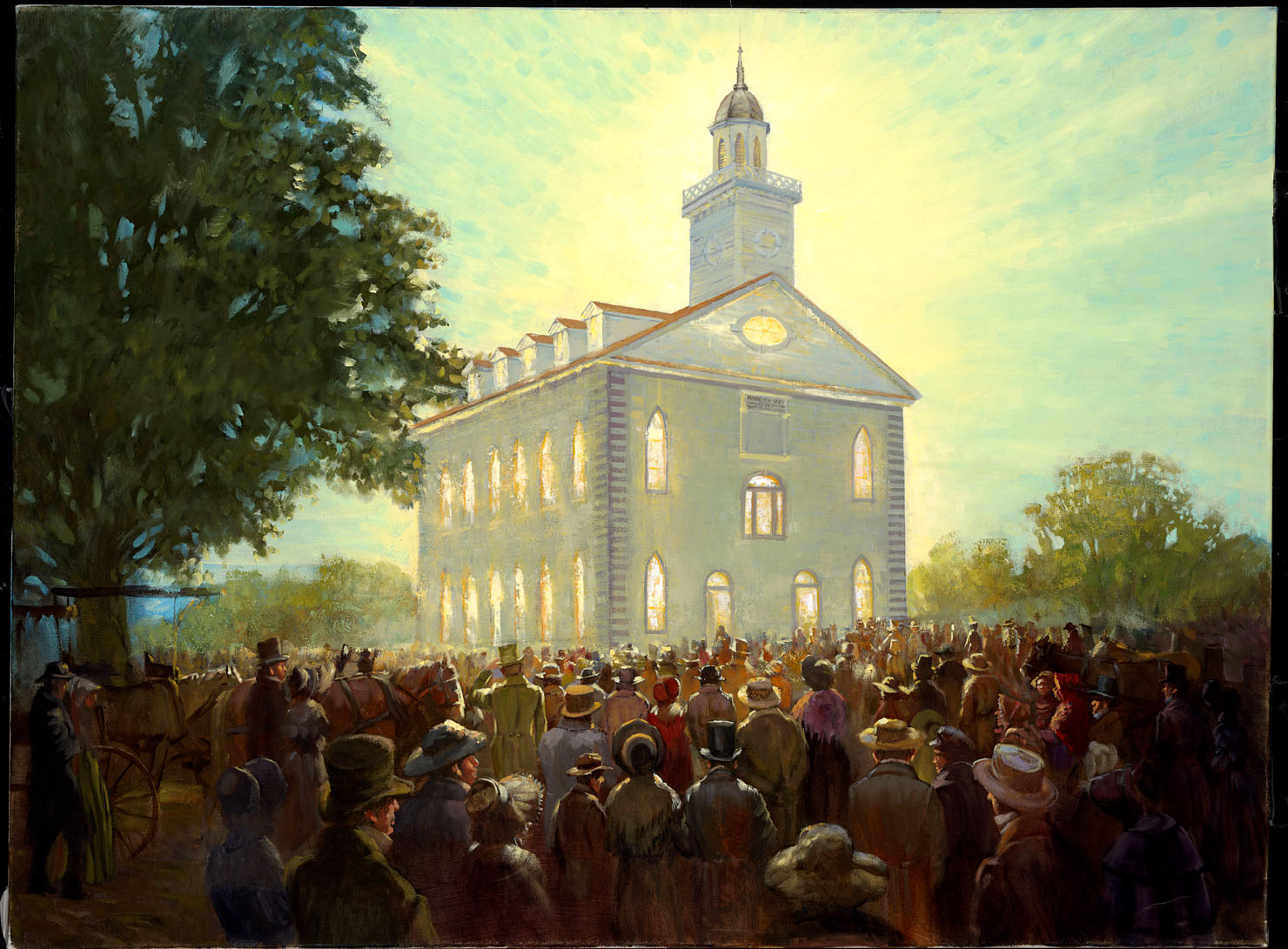
It is important to note that in previous revelations about the building of the temple in Kirtland the Lord said it would be a season of Pentecost for the Saints.
On this occasion, January 21st 1836, Joseph was in the upper room of the Temple with his counselors and other senior Church leadership. The vision was given to all of them to see.
Some of the others present documented what they saw, independent of Section 137.
Oliver Cowdery recorded in his 1836 diary for January 21: ‘The glorious scene’ was ‘too great to be described. … I only say that the heavens were opened to many, and great and marvelous things were shown.’
Warren Parrish, Joseph’s scribe from the event, said he ‘… saw in a vision the armies of heaven protecting the Saints in their return to Zion…’
Witnesses aside, Joseph’s own emotions are best explained straight from Section 137:
“I saw Father Adam and Abraham; and my father and my mother; my brother Alvin, that has long since slept; And marveled how it was that he had obtained an inheritance in that kingdom, seeing that he had departed this life before the Lord had set his hand to gather Israel the second time, and had not been baptized for the remission of sins.”
There are a couple of things here of importance to note:
First, this was a vision. How that differs from a “revelation”, I’m not sure. But clearly, whatever you call what Joseph and the others saw, it was intended to teach and to prepare. Joseph, despite all the previous revelations and visions, needed to understand something and it was very, very personal.
His parents, seen in this vision in the Celestial Kingdom, were NOT dead in 1836.
Joseph Sr, his father, would not pass until 1840. His mother, Lucy Mack Smith, would live until 1857. So this vision was not set in present day.
But Joseph’s attention was squarely focused on Alvin, his dead brother who had passed 13 years before. His very personal concern, knowing how Jesus taught that baptism was essential, was about Alvin.
The Lord told him, “All who have died without a knowledge of this gospel, who would have received it if they had been permitted to tarry, shall be heirs of the celestial kingdom of God”
Notice that the Lord stopped the lesson right there. Joseph was given things “line upon line”.
Sometimes, like building a temple in Kirtland Ohio, Joseph did things not knowing precisely why he was commanded to do them.
In this respect, Joseph was like Adam: “And after many days an angel of the Lord appeared unto Adam, saying: Why dost thou offer sacrifices unto the Lord? And Adam said unto him: I know not, save the Lord commanded me.”
Joseph’s understanding was expanded thanks to his personal concern for his brother. The Lord had waited 13 years to bring this teaching to Joseph.
The Kirtland Temple was a stepping stone for Joseph and the Latter-day Saints. Where it would lead Joseph was not sure. That temple would take Joseph and the Saints to not only greater revelation but also higher uses of the priesthood that would bless and benefit all families.
I will share some family history relative to the Kirtland Temple in a future post but for now please understand that the Kirtland Temple was preparatory and unique in the history of modern temples.
It is important to understand that the Lord was teaching Joseph the Man. Joseph’s interest and concern for his family, past and present, were at the foundation of his efforts to lead the Latter-day Saints in these same matters.
Between the dedication of the Kirtland Temple in 1836 and the waters of the Mississippi in 1840, the doctrine of vicarious ordinance work began to take shape, line upon line.
In 1838, while on a mission to Great Britain, Brigham Young met a recent convert named Ann Booth.
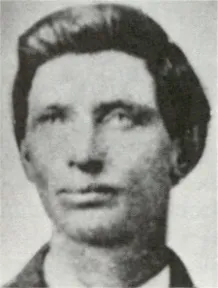
“Brother David W. Patten was a very worthy man, beloved by all good men who knew him. He was one of the Twelve Apostles, and died as he lived, a man of God and strong in the faith of a glorious resurrection, in a world where mobs will have no power or place.” — Joseph Smith
Sister Booth’s vision indicated that Apostle Patten was engaged in building the Kingdom on the other side.
In August of 1840, at the home of Joseph Smith, Seymour Brunson, a zealous missionary and occasional bodyguard of the Prophet, died. Seymour was also a close friend of David Patten.
Heber C. Kimball was present when Seymour Brunson died and recorded that “Semer Bronson is gon[e]. David Paten came after him. the R[o]om was full of Angels that came after him to waft him home.”
On the 15th of August Joseph Smith spoke at the funeral for Seymour Brunson, addressing the topic of baptism for the dead in depth for the first time. Clearly stating that baptism for the dead, as spoken of in 1st Corinthians, was legitimately a doctrine, what he said electrified the congregation. This was new and exciting doctrine.
Identifying a sister in the congregation by the name of Jane Neyland, the Prophet said:
“This widow [had read] the sayings of Jesus ‘except a man be born of water and of the spirit he cannot enter the kingdom of heaven,’ and that ‘not one jot nor tittle of the Savior’s words should pass away, but all should be fulfilled.’” He announced that the fulfillment of the Savior’s teaching had arrived, that the Saints could now “act for their friends who had departed this life, and that the plan of salvation was calculated to save all who were willing to obey the requirements of the law of God.”
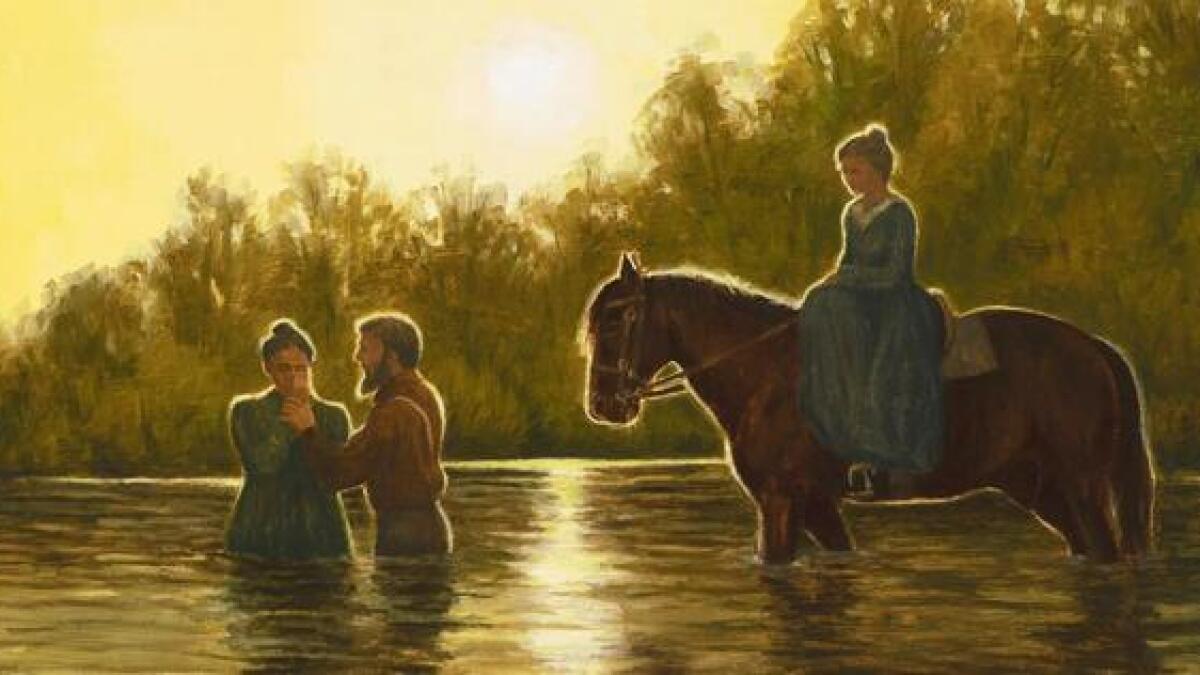
Very famously this widow engaged a priesthood holder to perform the vicarious ordinance in the Mississippi and soon many others were doing the same. (I will share family information from this pre-temple time frame in Nauvoo soon).
Before Joseph Smith Sr – who was one of the eight witnesses of the Book of Mormon, a member of the Church’s first presidency and the Church patriarch – died, he asked Joseph shortly after his sermon at Seymour Brunson’s funeral, to see to it that Alvin’s baptism be done.
That was not an official request of a Church authority. It was the personal request of a father.
And Joseph took it very personally.
~ Wilford, the Man ~
Wilford Woodruff is another one of my personal heroes and, like Joseph Smith, it is his humanity that appeals to me.
Wilford, as most know, was a prolific journal keeper and even though a prophet and Church leader Wilford was free with his emotions about “waiting on world’s end” and the spiritual side of this life.
I pursue the Wilford Woodruff Papers almost as religiously as I do the Joseph Smith Papers. They give context to many our of family history stories.
He was a friend of Albert Smith, and he rubbed shoulders with Gardner Snow. He was also very well acquainted with the Westover’s.
Wilford frequently visited Smithfield, where I live now. He was, of course, all over Northern Utah as an apostle.
He sometimes went to Arizona to escape federal marshals and our family members who had settled there were used to having him around.
He was also frequently in Southern Utah and he became the first temple president in Church History with the dedication of the St. George Temple.
Both Wilford Woodruff and Brigham Young seemed to be singled out by Joseph Smith in making a record of temple ordinances and seeing to it that they were carried forward for when Joseph was gone.
It was Wilford and Brigham who organized ordinance work for the living in the Nauvoo temple.
They also worked with Joseph before the Martyrdom to build the font in the yet-to-be-completed Nauvoo temple in 1841 and to set in order how such baptisms were carried out and documented correctly.
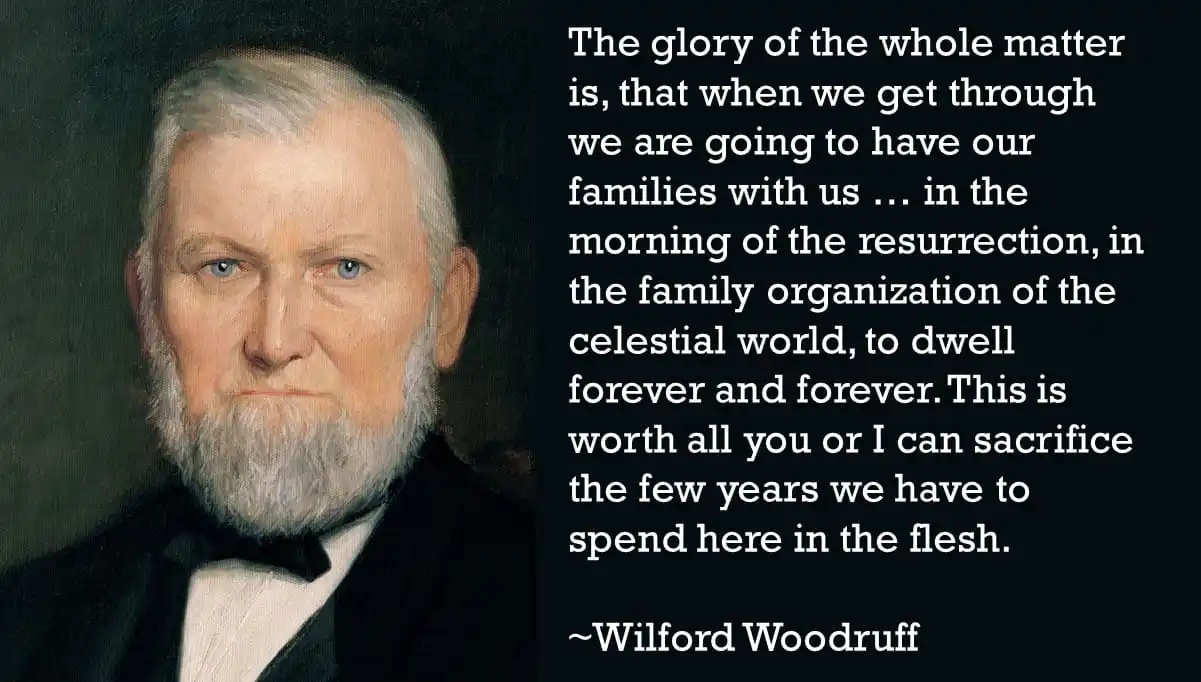
Temple work was constantly on Wilford’s mind. In my view, we need to do more to recognize Wilford Woodruff’s large part in the Restoration if only for his contributions to family history and temple work. He was relentless in pursuing the doctrine with passion and urgency.
In Winter Quarters, after the Nauvoo temple had been abandoned, Wilford carried out some baptisms for the dead in the Missouri River. Later, when the Endowment House was set up for marriages and sealings for the living, Wilford resumed baptisms for the dead there in the 1860s.
When Brigham announced the St. George Temple he and Wilford right away began to organize how work for the living and the dead would progress. In those years while the temple was under construction nothing was known of vicarious temple work outside of baptisms.
During all of these years, from roughly 1841 until the early 1870s, Wilford paid genealogists to find his ancestors he did not know about. He had gathered more than 3000 family names before the dedication of the St. George Temple.
This was for Wilford, like Joseph, very personal.
The very first endowments for the dead given in Church history occurred on January 11, 1877, a watershed moment in Latter-day Saint history.
Wilford said of the moment: “This was merely a key to me. Light burst upon my understanding. I saw an Eff[ectual] door open to me for the redemption of my dead. And when I saw this I felt like shouting Glory Hallalulah to God and the Lamb.”
Elaborating further on the new dimensions that endowments for the dead would bring to temple work, he said:
“And this door which is open for the redemption of the Dead in this manner will accomplish great and important Results, for it is now being Carried out in a great many instances in the Temple of the Lord, and will Continue to be more and more unto the end. . . . By this labor in redeeming our dead by Proxy much Can be accomplished. Our dead Can be redeemed. This principle has given me great Joy unspeakable at the thought that I Can live on the Earth to behold my Numerous friends redeemed who are in the spirit World.”
The complete journey of Wilford Woodruff – the line upon line journey with family history and temple work – is much too detailed for me to share here.
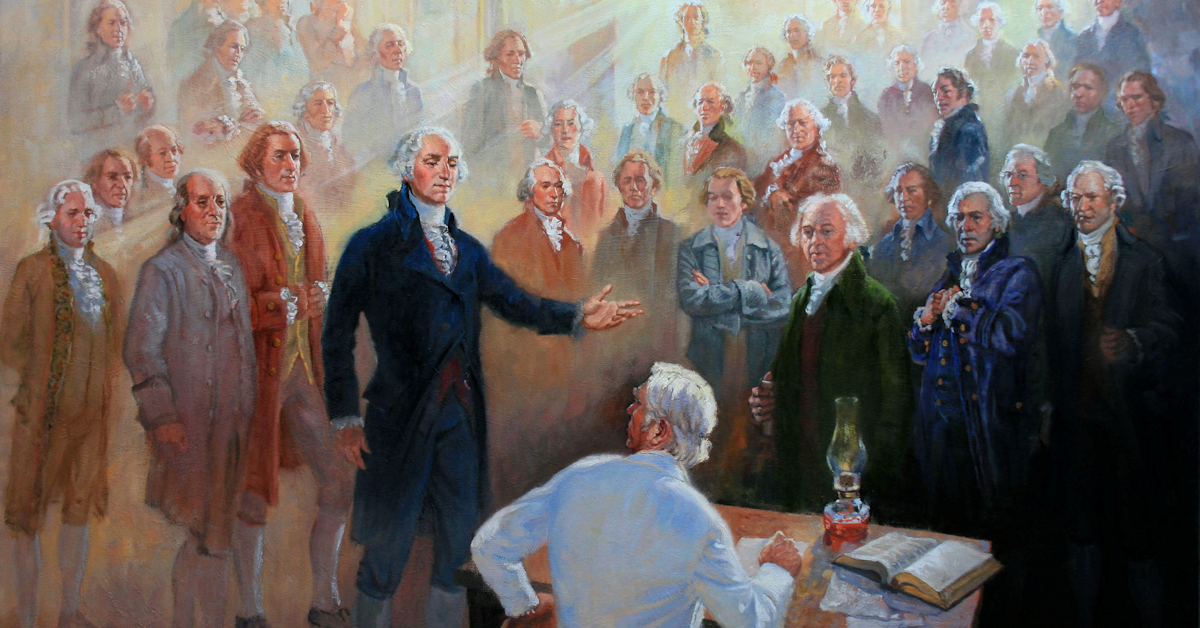
When it comes to Wilford and temple work, most tend to focus on his vision of the Founding Fathers in the St. George temple. That’s an important story but it pales in comparison to Wilford’s personal story in pursuing his family and organizing modern-day temple worship.
I encourage you to watch this lengthy summary:
You can also read a transcript of this talk at the Wilford Woodruff Papers.
~ For the Westover Family, It’s Personal Too ~
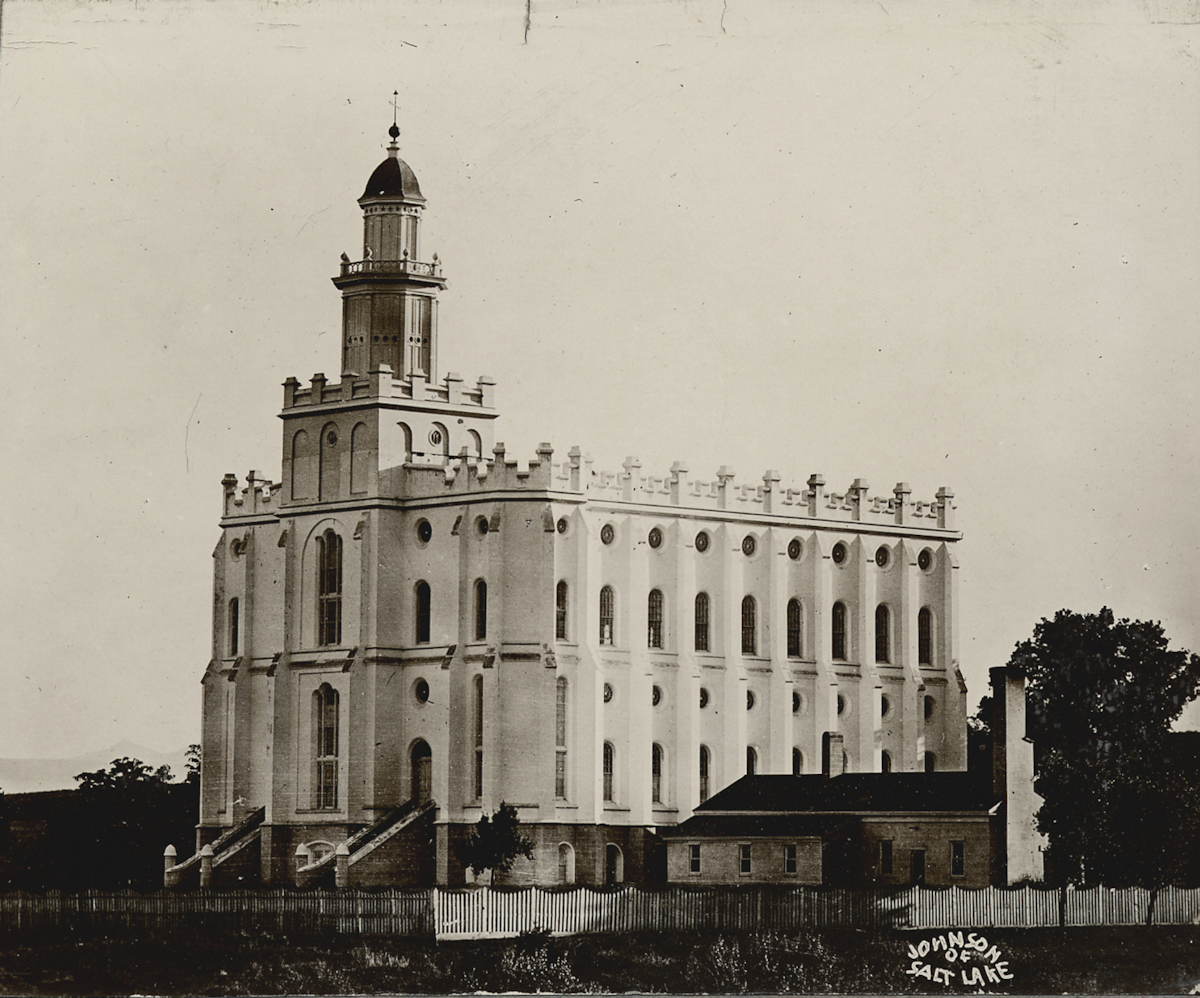
The first vicarious works for the dead happened in the St. George Temple on January 11th, 1877. The temple would not be dedicated until April of 1877. Why were works done before the dedication?
Two reasons: first, they had to figure out how to do them for the dead and how to properly record them.
And second they needed to train temple workers for the rush of temple patrons they expected after the dedication.
That’s why, in the middle of February 1877, Electa Westover with her eldest son, Edwin Ruthven, completed the sealing work – at last – for Electa and Alexander.
Edwin stood as proxy for his father. (I saw that original record today, 3/23/26).
Another note of importance: the sealing was officiated by Erastus Snow, longtime friend of the Westover family. And Wilford Woodruff was the witness.
The next day, 16 February 1877, the same men would oversee the sealing of Electa’s parents, Obediah and Rebecca Beal, with Edwin Ruthven and Electa serving as proxies.
I saw a lot of other things as well. I went through all 195 pages of that first year of sealings for the dead in the St. George Temple, including the sealing that Edwin did of himself to a woman named Lucina Kimball.
In the notes associated with Edwin’s record on FamilySearch.org it says that Edwin was sealed to 15 of his cousins. I did not find evidence of that (yet). But I did find this sealing of Edwin to Lucina, with his daughter Ella Angelia standing in as proxy for Lucina Kimball.
Lucina’s name has been attached to Edwin before. But there appears to be no known record of her birth, life or death. Because this was in a record for vicarious sealings it is important to note that this is considered a primary record. She’s real. This sealing occurred at the behest of Edwin. He made it happen. He identified her. In person. She existed, if only because the sealing record proves it. it’s obvious Lucina was dead and that Edwin had concern for her. But who was she?
That’s something we will need to figure out.
Who is Ella Angelia Westover? She is a daughter of Edwin and Sarah Jane.
In 1877, she had just turned 19 years old and was in St. George to get married to her husband, Samuel Alonzo Winsor. She would go on to settle in Arizona and anchored the Westover family there long after the passing of Sarah Jane Burwell Westover.
A week later, on February 23rd, Edwin and Electa stood in proxy for Alexander’s parents – Amos and Ruth Westover. Erastus Snow did the sealing and witnesses were Jacob Gates and Thomas Day.
That was also the date that Edwin was sealed to Lucina, with the same men officiating.
So far my theory that the St. George Temple dedication was a rallying point for a Westover gathering is proving out.
Edwin was there and likely, because of the wedding, Sarah Jane was there too.
Edwin Lycurgus and Joanna Westover had to have been there as well. Their 2nd child and firstborn son, Edwin Swen, was born in Hamblin on January 20th.
Don’t tell me that Edwin Ruthven wasn’t present for the birth of his namesake grandson. And you’d have to assume the doting great-grandmother, Electa, got in on some of that baby action, too.
Edwin Lycurgus Westover’s mother – Sarah Sophia Darrow – was sealed to Edwin Ruthven on February 16th, again with Ella Angelia as proxy. And again the ordinance was carried out by Erastus Snow and Wilford Woodruff.
Getting down to this information largely answers my question about who was there. But, it brings up other questions.
Where were Charles and Eliza? By this point, Electa was living with them, wasn’t she?
I reviewed just two volumes of records, both of them recording activity for the dead. They were called the Books of Adoption, Book A and Book B. Book A listed sealings of married people to each other. Book B documented sealings of children to parents.
In perusing Book B I found a record from 5 November 1880 documenting the sealing of some of the children of Edwin and Sarah Jane.
Their eldest, Sarah Evaline Canfield, was there, coming from Hamblin. She was 29 years old. Electa Jane Emmett, another daughter about age 27, was there from Freedonia, Arizona.
These two daughters were there to represent themselves. Their younger brother, Arthur Leo, just 13 years of age, stood proxy for his dead brother, William Albert.
Sarah Jane was there from Arizona, and a man named Joseph Harmon (or Hammond) stood as proxy for Edwin, who had died nearly 2 years earlier. The sealing was officiated by John D.T. McAllister.
This is, of course, an incomplete sealing on it’s surface. These are obviously not all of Edwin’s and Sarah Jane’s children. But they were sealed in the Endowment house in 1857 meaning that any children born after that time would have been children of the covenant. So it makes sense that their older children would need that ordinance done.
But missing was Laura Maria Westover, born in 1855. She married Parley Pratt Canfield in 1876 and little is known of why Laura could not be there in the temple in 1880. Her ordinance record shows she was not sealed to her parents until 1894.
Something struck me in reviewing all these names and ordinance dates: there is a distinct difference between the names Edwin and Sarah Jane selected for their children and the names that Edwin and Ann Findley chose for their family.
Ann’s children are named Emma Jane, William Ruthven, Mary Ellen, John Henry, and Frances Edwin – all a mix of traditional English and family names.
Sarah Jane’s children are named Sarah Evaline, Ulrich Ruthven, Electa Jane, William Albert, Laura Maria, Ella Angelia, Rupert Wilton, Joseph Ernest, Arthur Leo, Amos Alexander, Florence Rebecca, Amy Amelia and Orson Edgar.
This is pure conjecture, of course. But I see something in those names that I feel is reflective of Sarah Jane’s personality – and I think it has everything to do with Electa, her mother-in-law.
As I said before in reviewing Sarah Jane’s life, I think Electa was a major influence, including perhaps in the naming of her children. After all, where did Electa come up with the name Edwin Ruthven?
Could Electa have influenced the naming of her own grandchildren? Was Electa there in 1880 to witness this sealing of her grandchildren to Edwin and Sarah Jane? When Sarah Jane came from Arizona in 1880 to St. George, where did she stay? What else could have been going on at that time?
You see what I mean about more questions?
The above information is stuff I feel very confident about. To access these sacred records I had to visit the Family History Library, show my recommend, and then I was observed for the four hours I took to review the records. I was not allowed to photocopy anything and all I had time to work through were those two volumes.
To me, a critical missing element is the record of Electa’s service in the St. George Temple. Her history says she served in the temple until the end of her life. There has to be a record of that somewhere. They couldn’t help me with that at the Family History Library so I made a trip to the Church History Library, which I just love.
There are records there of temple workers in St. George in 1870s and 1880s. But those records are closed to research. I have to go through a request process that goes before a Committee at the Church, who will decide if I can see those records. That can take a while. But I think it will be worth all this effort. It’s curious to me that I can get to the sacred records of temple endowments in St. George but that worker records of the temple from that time are locked down. I’m sure they will explain that to me.
This experience was everything I hoped it would be, even though it has left me with more questions. We are getting more of the story and for some reason I think that is important. I anticipate that I will need to repeat this process for the Manti, Logan and Salt Lake Temples as well.
Our family history of family history and temple work is a much bigger topic than I anticipated. If you thought this post was long wait til you see the next one – where I’ll be able to share records of not only the Westovers but also of Albert Smith and Gardner Snow.
Aside from what I documented above I noted the following from my record search from the St. George Temple:
– Wilford Woodruff did an astounding amount of work in 1877, both as an ordinance participant and as an officiator or witness. He did not only his own family names but additional sealings of individuals to the Prophet Joseph Smith.
– Others, such as Jacob Hamlin, came to the St. George Temple in 1877. The record of the St. George Temple did reveal the presence of many other familiar names: Levi Hancock, James Willard Bay, Thomas Cottam, Henry Bigler.
– We also note the presence of individuals from other lines in our family. Frances Long Reeves was there doing work with her daughter, Sarah Reeves Riggs. We suspect we will find others.